
Service
FinOps & Cloud Cost Optimization
Improve cloud cost visibility, allocation, forecasting, right-sizing and financial accountability.

Turn Cloud spending into something you can explain and control
Cloud costs become difficult to manage when teams can consume infrastructure quickly but ownership, budgets and business context do not move at the same speed.
We help engineering, finance and business teams understand where cloud money goes, who owns it, what can be optimized and how future spend should be planned.
Typical scenarios:
Cloud costs keep growing – spending rises faster than business usage or revenue.
Nobody owns the bill – costs cannot be reliably mapped to products, teams or business services.
Forecasts are unreliable – monthly spend changes without enough warning or explanation.
Optimization never ends – rightsizing, commitments and architecture decisions need continuous review.
How does FinOps & Cloud Cost Optimization work?
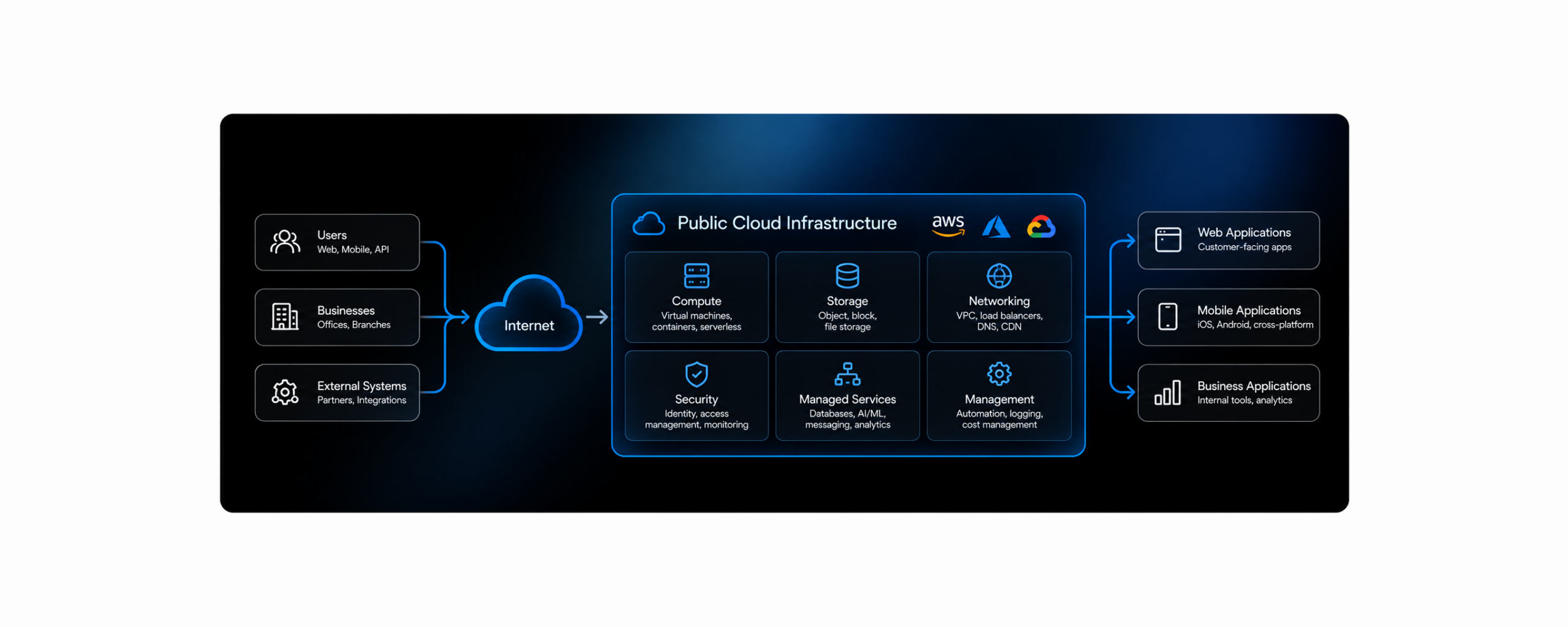
We combine cost data, engineering context and financial ownership so teams can understand cloud spend, improve efficiency and make better technology decisions.
What is FinOps?
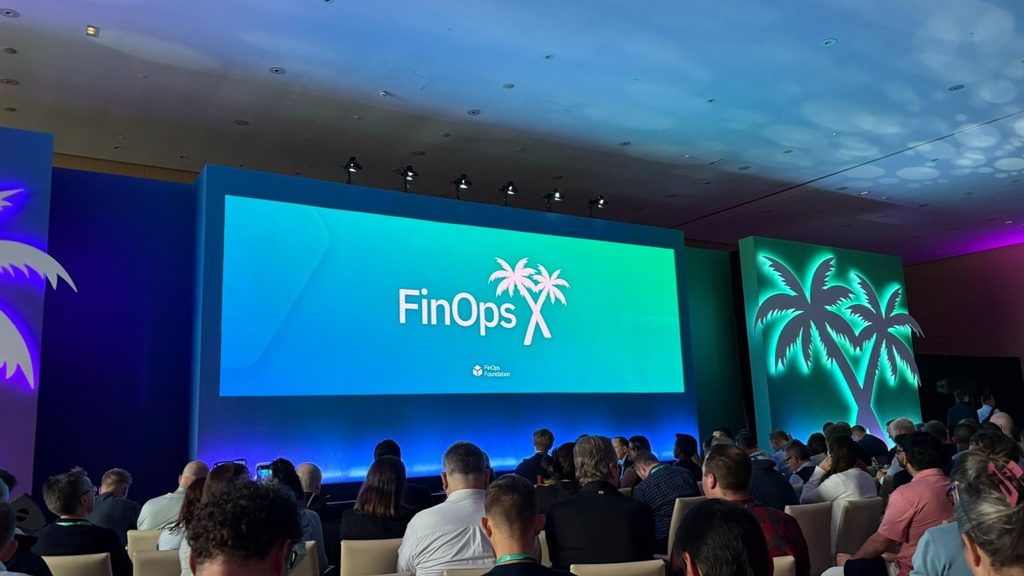
FinOps is a way for engineering, finance and business teams to manage the value and cost of cloud together. It connects technical usage with budgets, ownership and business outcomes so cloud decisions are based on data rather than the monthly invoice.
From cloud bill to continuous cost control
A dashboard can show what happened. FinOps should help you decide what to do next.
We build the data, processes and engineering practices needed to move from reactive monthly reviews to ongoing cost ownership and optimization.
We provide:
Cloud cost allocation and reporting
Budgets, forecasts and anomaly controls
Rightsizing and commitment optimization
FinOps governance, KPIs and operating cadence

Benefits of FinOps & Cloud Cost Optimization
Frequently Asked Questions
What is FinOps?
FinOps is an operating practice that brings engineering, finance and business teams together to manage technology cost and value.
It provides visibility into usage and spending, assigns ownership, supports budgeting and forecasting, and creates an ongoing process for optimization.
The goal is not simply to spend less. It is to make sure cloud spending supports the value, performance and reliability the business needs.
Is FinOps just cloud cost cutting?
No.
Cost reduction can be one outcome, but FinOps is broader. It covers cost visibility, allocation, budgeting, forecasting, optimization, business value and financial accountability.
Sometimes the right decision is to reduce capacity. In other cases, paying more can be justified by better resilience, performance or business growth.
How do you allocate cloud costs to teams and products?
We first define the business dimensions that matter: for example application, product, environment, cost center, owner or business unit.
We then use account structures, subscriptions, projects, tags and other metadata to map spending to those dimensions.
Shared costs such as central networking, security or platform services can be allocated through agreed rules rather than being left as unexplained overhead.
Effective allocation is a foundation for accountability because teams cannot own costs they cannot see.
Can you support multi-cloud cost management?
Yes.
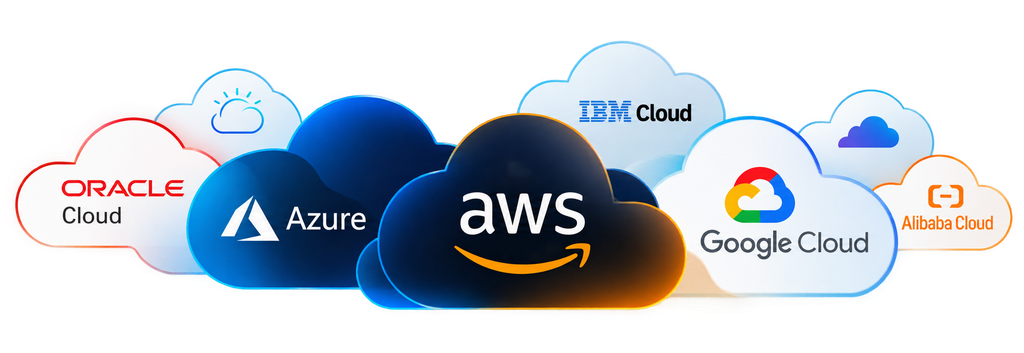
We are cloud agnostic and can work across AWS, Microsoft Azure, Google Cloud, Oracle Cloud Infrastructure and other providers, as well as relevant private or usage-based platforms.
We can normalize reporting and ownership across providers while keeping their different pricing models, discounts and billing structures visible.
Where appropriate, we can also use open cost-data standards such as FOCUS to reduce differences between provider billing data. The FinOps Foundation reports growing adoption of FOCUS as organizations manage increasingly complex technology estates.
How do you optimize cloud costs without hurting performance?
We do not treat every cost reduction as a saving.
Rightsizing and architecture changes are reviewed together with workload demand, performance, availability, resilience and growth requirements.
Typical actions can include changing instance sizes, autoscaling, shutting down unused environments, storage tiering, removing idle resources or changing service architecture.
The objective is better efficiency, not simply a smaller bill. AWS and the FinOps Framework both recommend treating cost as one architecture concern alongside workload requirements.
Do you help with reservations, Savings Plans and committed-use discounts?
Yes.
Commitment discounts can reduce unit prices when future usage is predictable, but overcommitting can create another form of waste.
We analyze historical usage, expected growth and workload changes before recommending reservations, Savings Plans, committed-use discounts or similar provider pricing options.
Rate optimization should follow forecasting rather than replace it.
Can you improve cloud forecasting and budgets?
Yes.
We combine historical spending and usage with planned migrations, product growth, new environments and known architecture changes to build more useful forecasts.
Budgets can then be tracked against actual and forecast spending, with alerts and variance reviews used to identify problems early.
Forecasting should be reviewed continuously because cloud usage changes faster than traditional annual infrastructure budgets.
Who should own FinOps?
FinOps should not belong only to finance or only to engineering.
A central FinOps function can define standards, data and processes, but engineering and product teams should understand and own the cost of the workloads they control.
Finance provides budgeting and financial context, while business owners help determine whether spending creates enough value.
The FinOps Framework explicitly treats collaboration and distributed ownership as core principles.
Turn your Technology Challenge into a clear Delivery Plan
Nubes Consulting Digital helps design, modernize and operate complex technology environments. From Cloud and Architecture to DevOps, SRE and Engineering Delivery, we focus on practical decisions, reliable execution and measurable business outcomes.
