
Service
CI/CD & DevSecOps
Design secure automated build, test, release and deployment pipelines.

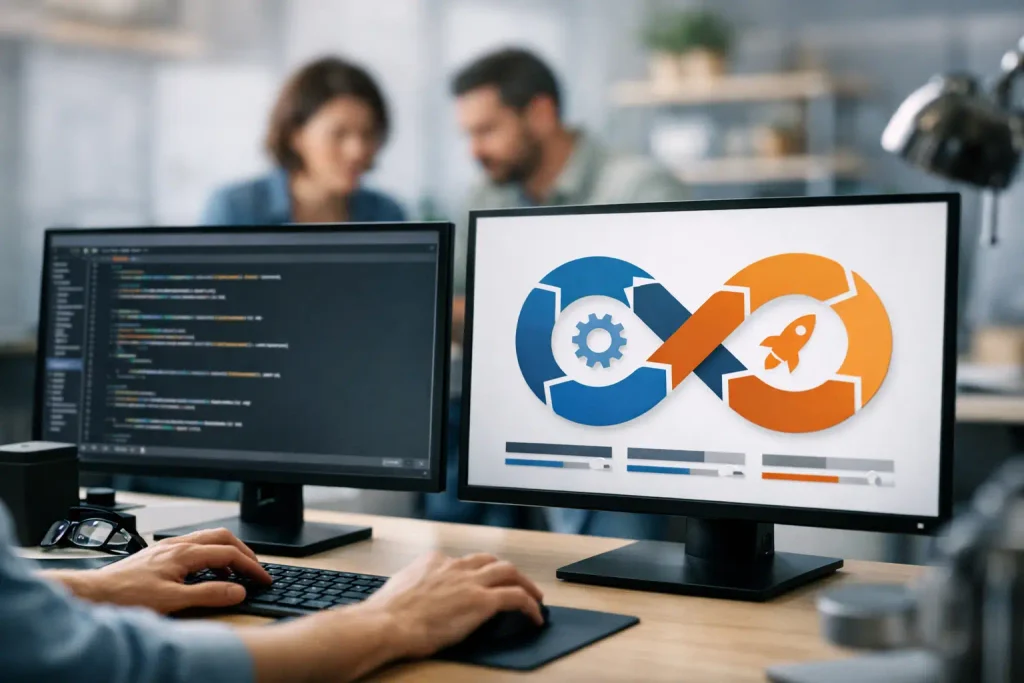
Turn software delivery into a repeatable engineering process
Software delivery becomes slow and risky when builds, tests, security checks and releases depend on manual steps or different pipelines for every team.
We design secure CI/CD and DevSecOps workflows that automate build, test, release and deployment while keeping production changes visible, controlled and easy to trace.
Typical scenarios:
Releases still depend on manual work – build, test or deployment steps vary between teams and environments.
Security is checked too late – vulnerabilities are discovered after development or just before production.
Pipelines have grown without common standards – different tools and scripts make support and governance difficult.
Delivery needs to scale across more teams – reusable pipeline patterns are needed without forcing every project into one implementation.
How do CI/CD & DevSecOps work?
We automate the path from source code to production, integrate testing and security into each stage, and create reusable delivery patterns that teams can operate consistently.
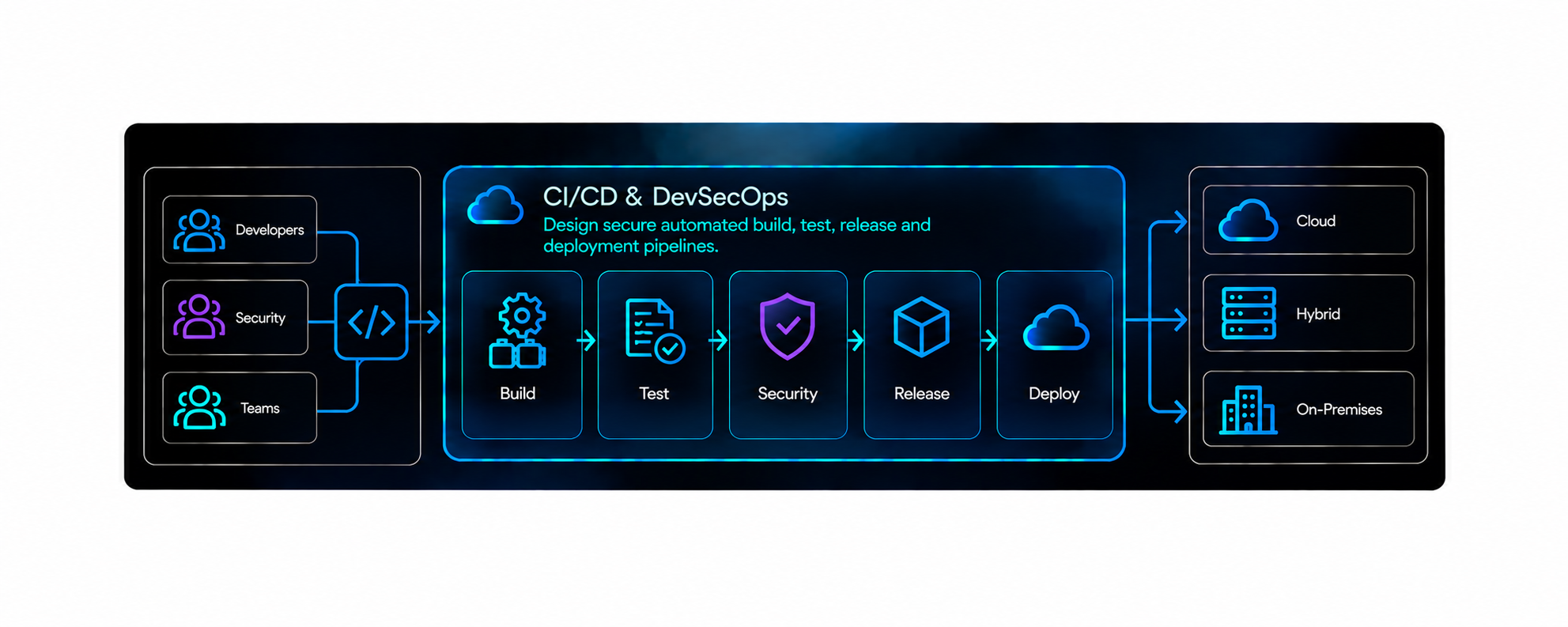
What does a secure delivery pipeline include?
A modern delivery pipeline does more than compile code and deploy it. It validates quality, security and release readiness while keeping software artifacts, changes and approvals traceable through the whole delivery process.
Build security into delivery instead of adding another gate
DevSecOps should not mean sending developers through more approval queues.
We move suitable security checks into the same workflow developers already use, automate what can be tested reliably and keep human approval for changes where business or production risk requires it.
The result is a faster path to production with fewer late surprises.
We provide:
CI/CD architecture and pipeline standardization
Automated testing and quality gates
DevSecOps and supply-chain controls
Release, deployment and rollback automation

Benefits of CI/CD & DevSecOps
Frequently Asked Questions
What is CI/CD?
CI/CD stands for Continuous Integration and Continuous Delivery or Deployment.
Continuous Integration automatically builds and tests changes when developers update the codebase.
Continuous Delivery prepares validated software so it can be released safely when required. Continuous Deployment goes one step further and can move changes to production automatically when all required checks pass.
OWASP makes the same distinction between CI, delivery and deployment in its current CI/CD security guidance.
What is DevSecOps?
DevSecOps brings security practices into normal software development and operations instead of treating security as a separate final review.
This can include secure coding rules, automated security testing, dependency scanning, Infrastructure as Code checks, artifact controls and deployment policies.
Microsoft recommends integrating security activities into every development stage rather than relying on one late checkpoint.
Which CI/CD platforms do you work with?
We are tooling and cloud agnostic.
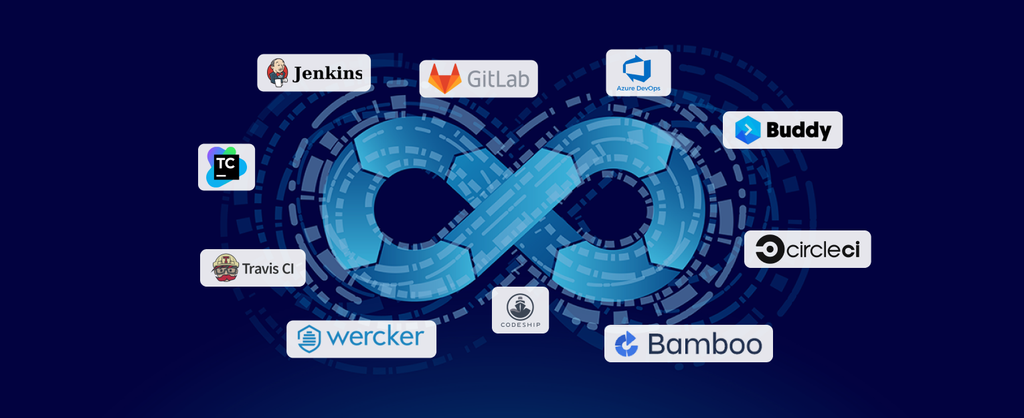
We can work with platforms such as GitHub Actions, GitLab CI/CD, Azure DevOps, Jenkins, cloud-native delivery services and other enterprise CI/CD tools.
The tool should fit your repositories, runtime, security requirements and operating model rather than define the delivery process by itself.
Which security checks should run in the pipeline?
It depends on the application and risk.
Typical controls can include static code analysis, dependency and license scanning, secrets detection, container scanning, Infrastructure as Code scanning, dynamic testing and policy checks.
Not every check needs to block every build. We define where each control gives useful feedback and which findings are serious enough to stop a release.
OWASP specifically recommends SAST, DAST, IaC and related scanning inside CI/CD workflows.
Should production deployment be fully automatic?
Not always.
Low-risk services may be suitable for highly automated deployment. Critical or regulated systems may still require explicit approval before production.
The important point is that approval should sit inside a clear automated workflow rather than depend on an informal manual process.
OWASP recommends manual approval before production in many CI/CD security scenarios, while Microsoft recommends secure, governed deployment workflows with rollback capability.
What is software supply-chain security?
The software supply chain includes the source code, third-party libraries, build tools, CI/CD systems, artifact repositories and other components used to create and deliver software.
A weakness in any of these can affect the final application.
Useful controls can include dependency scanning, SBOM generation, signed artifacts and build provenance so teams can verify where software came from and how it was built.
NIST explicitly includes SBOMs, provenance and CI/CD pipeline controls in its software supply-chain security guidance.
What are artifact attestations and provenance?
Provenance records where, when and how a software artifact was created.
Artifact attestations add signed evidence that links the built artifact back to its source and build process.
This can improve trust in the delivery chain, especially when software moves through many tools or teams.
SLSA defines provenance as verifiable information about how an artifact was produced, while GitHub now supports signed artifact attestations and SBOM-related attestations directly in Actions workflows.
How do you measure whether CI/CD improvements are working?
We look at delivery flow and quality together.
Useful measures can include deployment frequency, change lead time, failed deployment recovery time, change failure percentage, deployment rework and manual steps in the pipeline.
DORA recommends these measures to understand whether delivery is becoming faster and safer, rather than judging success by the number of tools or pipelines created.
Turn your Technology Challenge into a clear Delivery Plan
Nubes Consulting Digital helps design, modernize and operate complex technology environments. From Cloud and Architecture to DevOps, SRE and Engineering Delivery, we focus on practical decisions, reliable execution and measurable business outcomes.
