
Service
Data Center to Cloud Migration
Move enterprise workloads from physical or virtualized data centers to public or private cloud platforms.

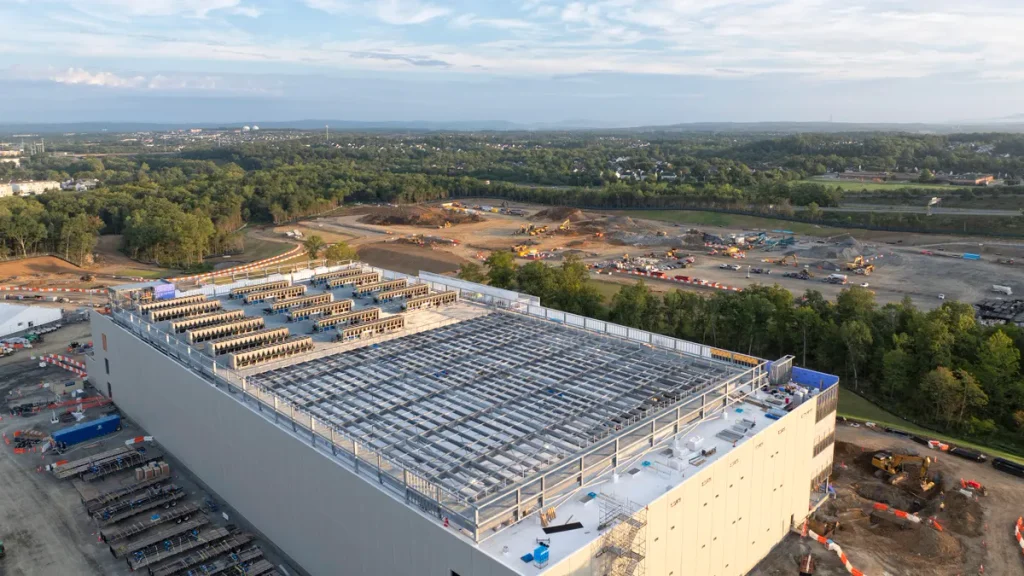
Move out of the data center without moving the risk with you
Data-center migrations become difficult when applications, infrastructure, data and dependencies have to move together while production keeps running.
We plan and execute controlled migration waves from physical and virtualized data centers to public, private and hybrid cloud platforms, with target readiness, testing, cutover and decommissioning built into the program.
Typical scenarios:
Data-center closure or lease expiry – move workloads before a fixed infrastructure deadline.
Hardware or virtualization renewal – avoid another major investment in platforms you plan to leave.
Infrastructure modernization – replace aging physical and virtual environments with a more flexible target platform.
Resilience and operating-model change – move critical workloads while improving recovery, automation and long-term operations.
How does Data Center to Cloud Migration work?
We move workloads in controlled waves, validate every target environment before cutover, and retire source infrastructure only after applications, data and operations are proven ready.
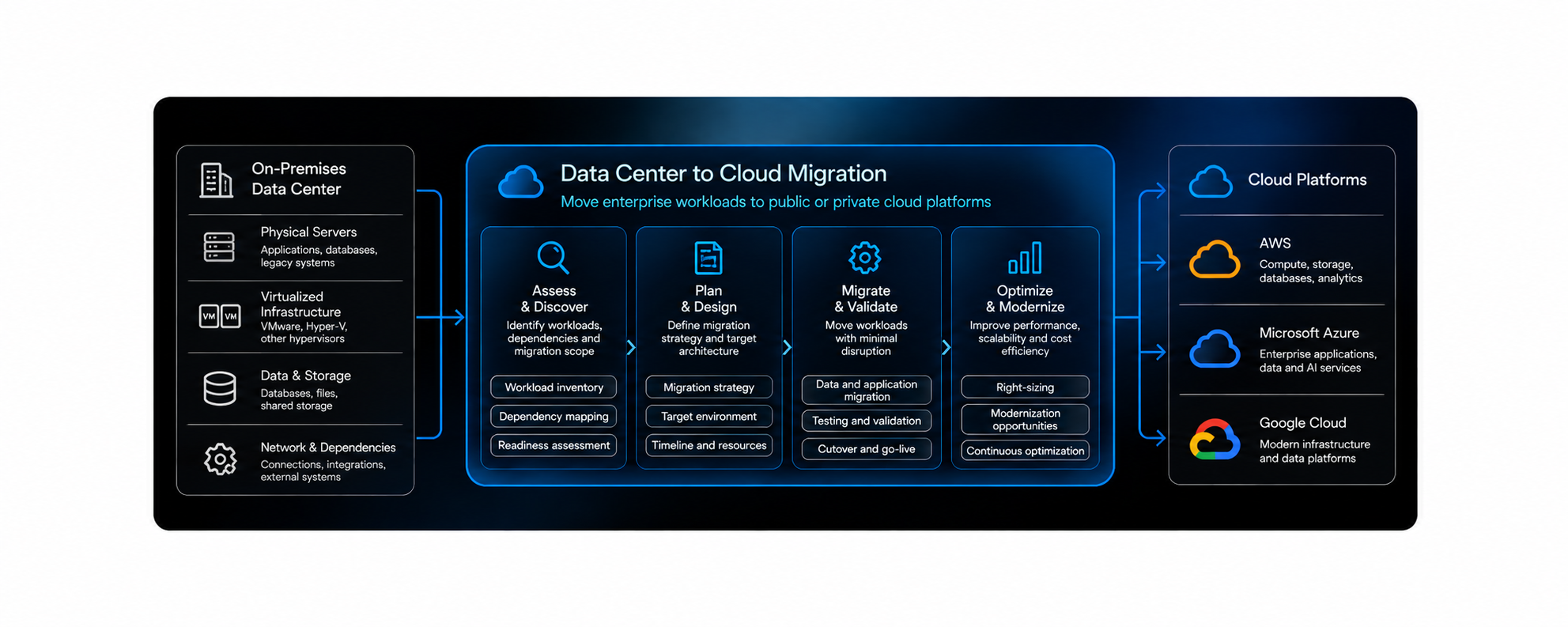
What does a data-center migration include?
A data-center migration moves complete workloads – not only virtual machines. Applications, databases, networks, identity, storage, integrations and operational processes must continue to work together while infrastructure moves from the source environment to the target platform.
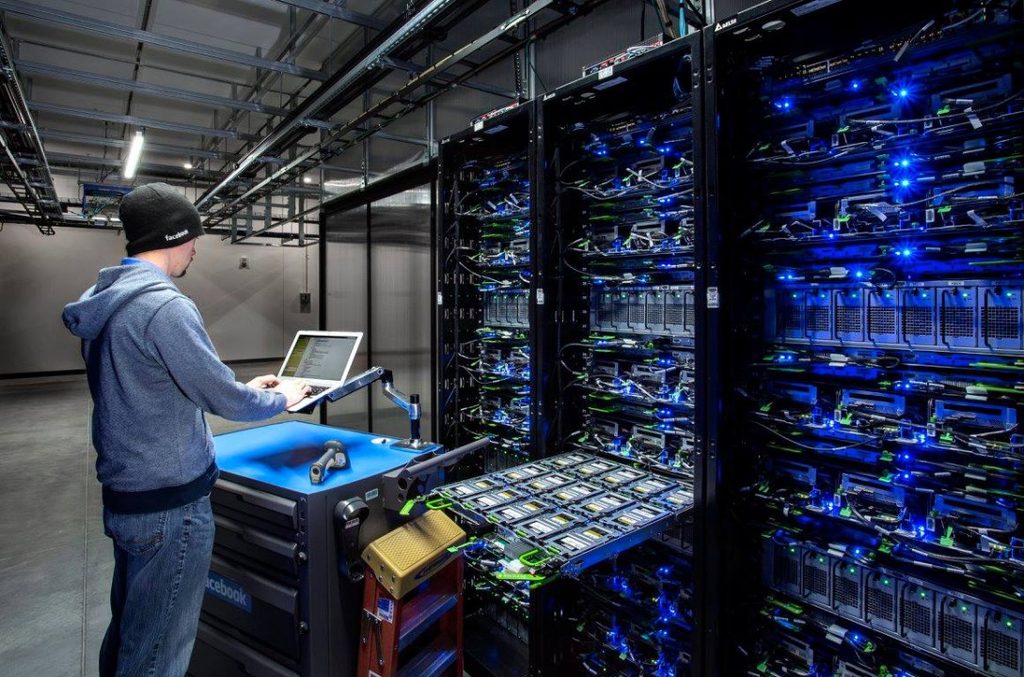
From first migration wave to data-center exit
The objective is not to report that servers now exist in cloud. The objective is to move business services safely and remove the cost, risk and operational dependency of the old environment.
We prepare each wave, rehearse critical steps, validate applications and data after cutover, and use what we learn to improve the next migration.
We provide:
Migration wave design and execution
Target infrastructure and connectivity readiness
Cutover, testing and rollback planning
Source decommissioning and operational handover

Benefits of Data Center to Cloud Migration
Frequently Asked Questions
What is a data-center to cloud migration?
A data-center to cloud migration moves applications, infrastructure and data from physical or virtualized data-center environments to a public, private or hybrid cloud platform.
The work normally includes target-environment preparation, workload migration, data replication, testing, production cutover, operational handover and eventual decommissioning of the source infrastructure.
How is this different from Cloud Migration Assessment & Planning?
Cloud Migration Assessment & Planning determines what should move, where it should go, which migration approach fits each workload and how the program should be sequenced.
Data Center to Cloud Migration executes that plan: prepare the target, migrate workloads and data, perform cutovers and complete the transition out of the source environment.
For large estates, we normally recommend completing enough discovery and wave planning before migration execution begins.
Which cloud platforms can you migrate to?
We are cloud agnostic.
The destination can include AWS, Microsoft Azure, Google Cloud, Oracle Cloud Infrastructure, regional or sovereign providers, private cloud platforms, or a hybrid combination.
We use the target selected for the workload and business requirements rather than assuming that every application must move to the same provider.
Do all workloads have to be rehosted as virtual machines?
No.
Rehosting can be the fastest route for some workloads, especially when a data-center deadline is driving the program. Other systems may be better replatformed, modernized, replaced or retired.
Large migrations often use several strategies in parallel. The important point is to avoid turning a time-critical data-center exit into an uncontrolled application rewrite program.
How do you minimize downtime during migration?
The migration method depends on the application and data.
We can use continuous or incremental replication, prepare the target environment before the cutover window, rehearse migration steps and perform final synchronization before traffic is switched.
For critical workloads, the cutover runbook also defines validation, decision points and rollback conditions.
AWS’s current cutover guidance uses this same sequence: freeze or control writes where necessary, final backup and synchronization, routing change, testing and explicit rollback preparation.
How do you migrate data safely?
We plan data movement separately from compute because data volume, consistency and synchronization often determine the real migration window.
Depending on the system, migration can use initial bulk transfer followed by incremental synchronization until the final cutover.
Before production use, we validate that required data, metadata and application access work as expected in the target environment. AWS’s data-migration guidance similarly recommends initial and incremental transfers followed by final synchronization and validation during cutover.
What happens if a cutover fails?
Critical migrations should have a defined rollback decision before the cutover starts.
We document success criteria, rollback conditions, data implications, responsible decision-makers and the steps needed to return traffic to the source environment where rollback is technically possible.
We also run functional and operational checks before production traffic moves so cutover is not the first time the target environment is tested. AWS recommends pre-cutover testing and an operational-readiness review for exactly this reason.
When can the old data-center infrastructure be decommissioned?
Not immediately after the first successful start in cloud.
We first validate application function, dependencies, performance, monitoring, backup and operational support. After an agreed stabilization or warranty period, remaining dependencies are checked and source systems can be retired through controlled change processes.
This last step matters commercially as well as technically: Microsoft warns that leaving source infrastructure running can preserve hidden dependencies, while AWS notes that formal retirement is needed to stop carrying unnecessary infrastructure cost and risk.
Turn your Technology Challenge into a clear Delivery Plan
Nubes Consulting Digital helps design, modernize and operate complex technology environments. From Cloud and Architecture to DevOps, SRE and Engineering Delivery, we focus on practical decisions, reliable execution and measurable business outcomes.
